
Exercise, Episiotomy & Your PelvicFloor — What Does the Research Say?
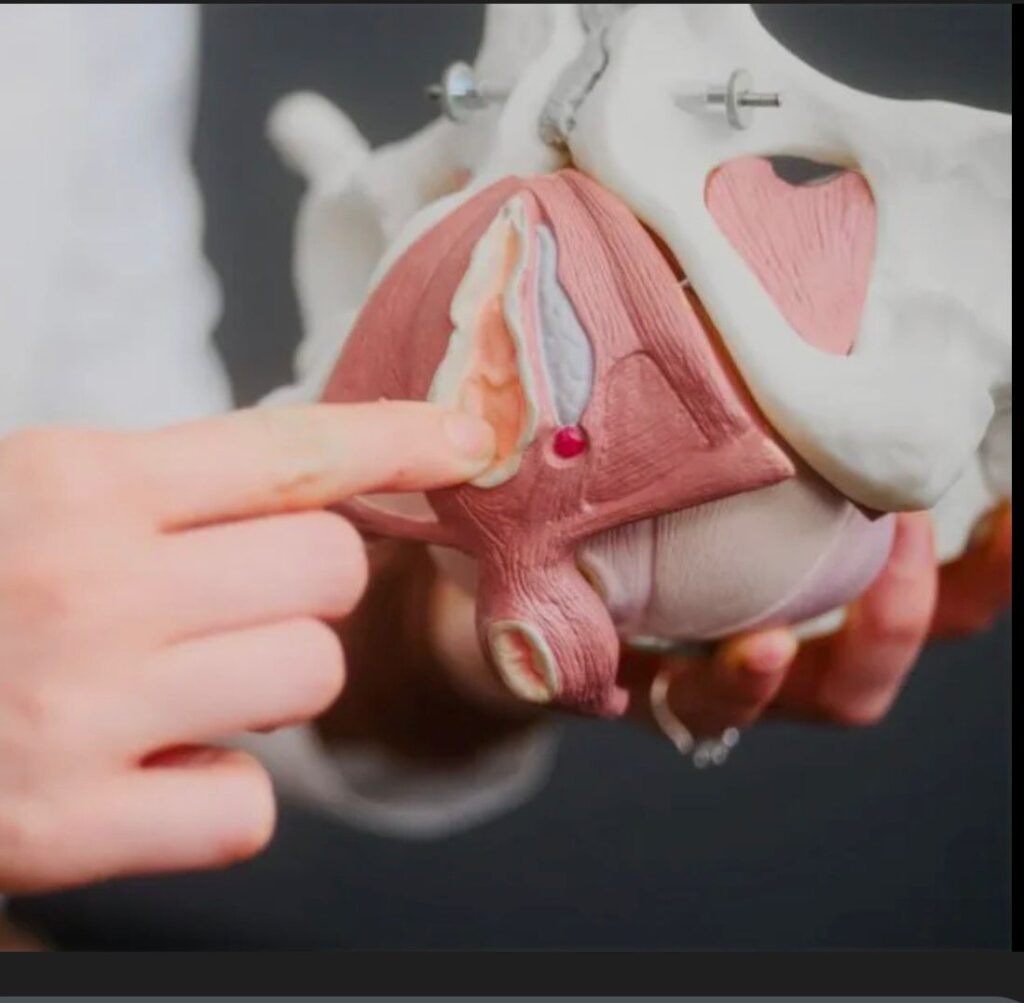
There’s so much conflicting advice out there about what to do (and not do) in pregnancy to protect your body during birth. Some of it is well-meaning, some of it is outdated, and a surprising amount of it has never actually been tested properly. This article takes a look at a landmark study that put four common beliefs under the microscope — and the results might surprise you.
❌ MYTH BUSTED
“If you exercise seriously, you’re more likely to need an episiotomy because exercise thickens the perineum.”
This one gets passed around quite a bit — the idea being that all that working out somehow toughens the tissue “down there” and makes it harder to stretch during birth, leading to a surgical cut (episiotomy).
The research found this simply isn’t true. Women who exercised seriously were no more likely to need an episiotomy than those who didn’t.
Even better , women who did have an episiotomy, those who exercised regularly had significantly fewer severe tears as a result:
✓ Verdict: Exercise does NOT cause you to need an episiotomy. In fact, it may help your body recover better if one does occur.
❌ MYTH BUSTED
“Serious exercisers are more likely to have severe perineal tears — it’s just bad luck or unavoidable.”
The study actually found the opposite. Women who exercised seriously were significantly less likely to experience a 3rd or 4th degree tear (the most serious kind, which affect the muscles around the back passage).
This tells us something important: severe tears aren’t just random bad luck. They’re connected to lifestyle factors — including how active you are — as well as decisions made during birth.
✓ Verdict: Exercise is genuinely associated with better perineal outcomes. Your activity levels matter.
⚠️ NOT PROVEN (YET)
“Doing Kegel exercises in pregnancy will strengthen your pelvic floor and protect you during birth.”
This is probably the most surprising finding of the study — and one that’s worth sitting with for a moment.
The researchers found no measurable connection between self-reported Kegel exercises (done before, during, or after pregnancy) and pelvic floor muscle strength, urinary leakage, or any other pelvic floor outcomes.
Before you panic: this doesn’t mean Kegels don’t work. What it strongly suggests is that doing them correctly is everything — and most people, without proper guidance, aren’t actually engaging the right muscles.
💡 What this means for you
If you’ve been squeezing away faithfully and wondering if it’s doing anything — you’re not alone. The research suggests that Kegels need to be taught and ideally verified (using biofeedback equipment) to actually make a difference. A women’s health physiotherapist can help make sure you’re doing them properly, which makes all the difference.
✓ Verdict: Kegels are likely still valuable — but quality beats quantity. Getting proper guidance is key.
